How to Run a Branded Merchandise Storefront That Employees and Customers Actually Use
How to Run a Branded Merchandise Storefront That Employees and Customers Actually Use
It's time to move past the traditional corporate swag closet. You know the one—that dusty room down the hall stuffed with XXL neon t-shirts, cheap plastic pens, and stress balls that smell vaguely of regret. In 2026, that "bulk and dump" approach to branded merchandise for business is officially dead.
Modern organizations have realized that forcing unwanted junk onto people isn't a perk; it's a liability. Today, the most successful branded merchandise programs have moved from a "push" model (sending unrequested items) to a "pull" model (allowing recipients to choose from curated, retail-quality storefronts).
If you want to launch a storefront that actually drives engagement, reduces waste, and scales without overwhelming your HR team, you need a strategic playbook. Here is your comprehensive guide to running a modern company swag storefront.
What is a Branded Merchandise Storefront?
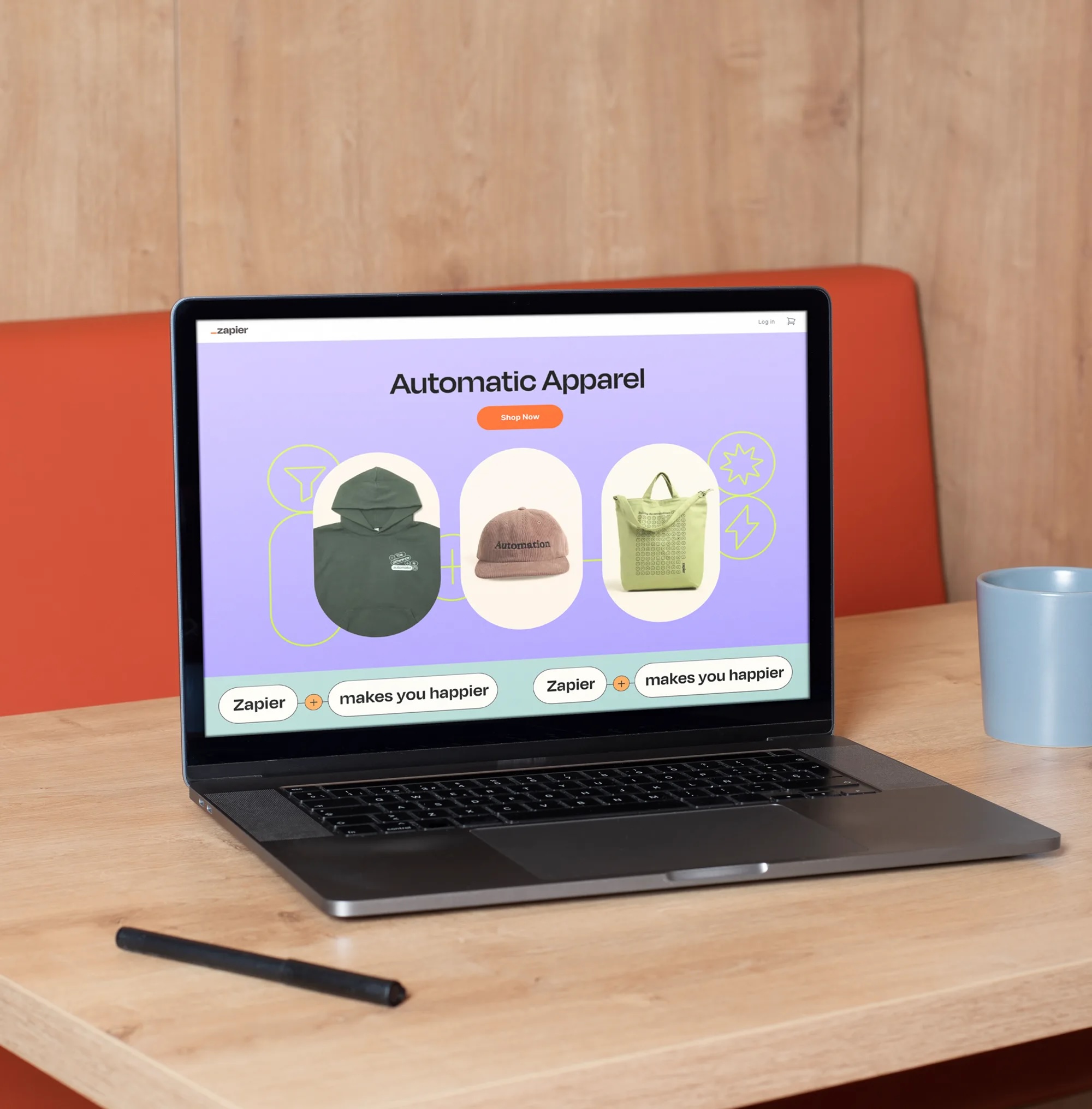
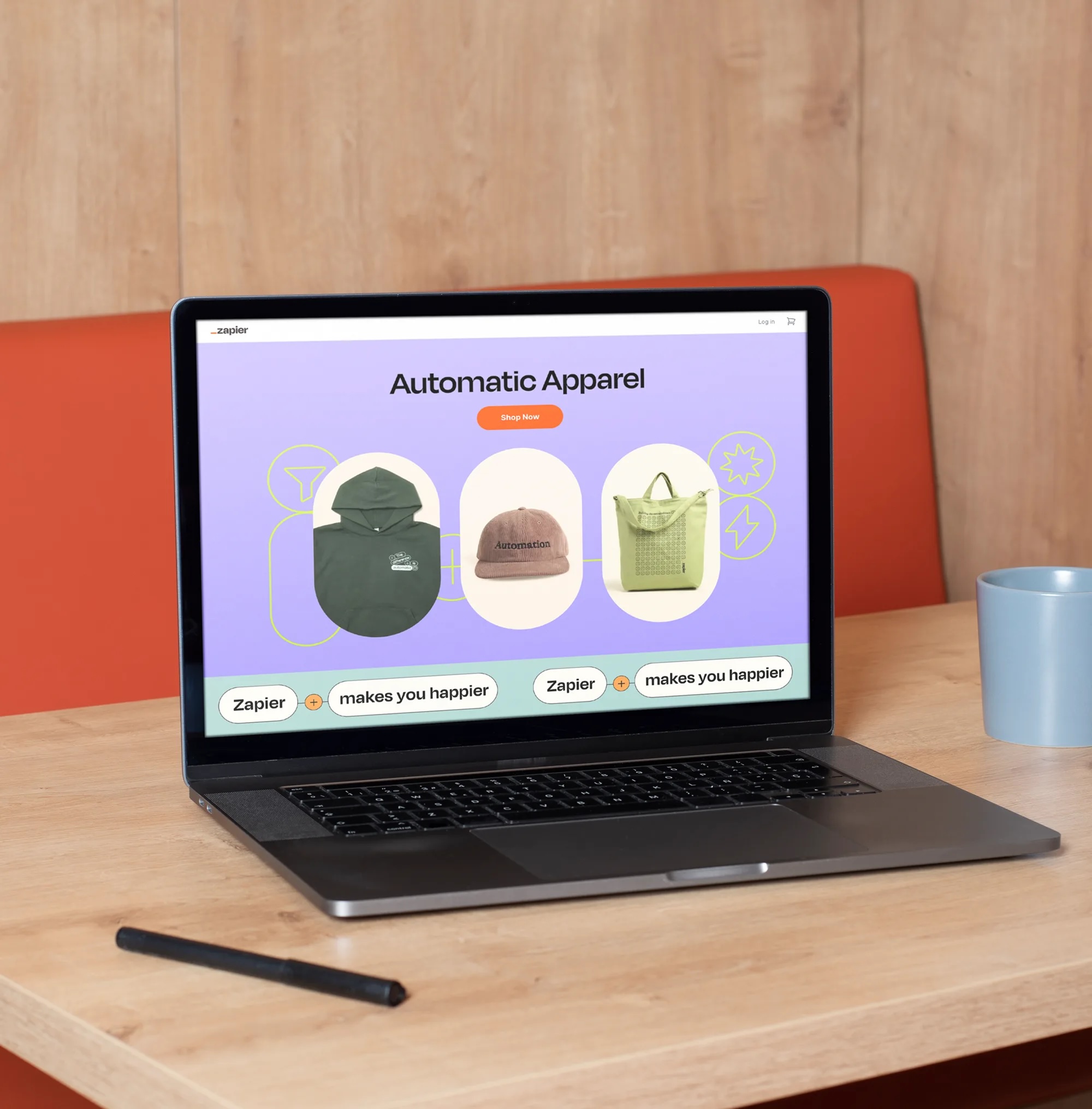
A branded merchandise storefront is a centralized, digital e-commerce platform where employees, clients, or brand advocates can browse, select, and order company-branded products. Unlike traditional bulk ordering, modern storefronts integrate with HR and CRM systems to automate approvals, manage budgets via points or credits, and trigger on-demand global fulfillment.
These platforms are versatile tools for modern brand management, supporting everything from one-time "drops" celebrating a major company win to team-specific access and high-touch VIP client experiences. By moving away from scattered inventory and "tracking black holes," storefronts provide a professional, retail-like shopping experience that makes a brand feel legitimate and established.
The 2026 Reality Check: Why Old Swag Fails
The ROI of branded merchandise is directly tied to "voluntary use." If they don't wear it, you wasted your money. According to a Custom Ink 2026 Swag Trends Survey, 47.6% of buyers are now motivated to find higher-quality items specifically because they are tired of seeing low-quality swag immediately discarded.
Step 1: Master Strategic Inventory Planning
The first step to a killer storefront is ditching the guesswork. You need to balance cost-efficiency with the flexibility of modern production.
Embrace the On-Demand Model: On-demand production means items are only created after an order is placed. This entirely eliminates the risk of "dead stock" and lets you offer a massive variety of products without dropping a fortune upfront.
Use Hybrid Models for High-Volume: For predictable, high-volume needs like new-hire onboarding kits, pre-buying inventory secures lower per-unit costs. Just make sure you have real-time intelligence to track stock levels so you don't fall into a tracking black hole.
Leverage the "Choice" Factor: People want agency. Research shows that 72% of employees would use company-branded items more frequently if they were allowed to choose the items themselves, according to Axomo.
Step 2: Automate Approvals and Global Fulfillment
Operational efficiency in swag management is no longer optional. Enterprise programs can easily waste over 2,000 hours a year managing spreadsheets and manual shipments. You need to automate the boring stuff.
Eliminate Bottlenecks with Automated Approvals
Stop making managers approve every single t-shirt request. Modern storefronts use budget caps and point systems. By giving employees a set amount of "swag credits" or integrating directly with your HRIS to trigger automatic "swag drops" for work anniversaries, you remove the friction entirely.
Streamline Global Fulfillment
With remote work being the norm, your company merchandise needs to cross borders seamlessly. A recent Global Swag Fulfillment Playbook highlights that 68% of HR leaders believe physical touchpoints are critical for strengthening connections in remote settings. To do this right, your storefront must manage regional warehousing to cut shipping costs and automate customs documentation to avoid international delivery nightmares.
Step 3: Curate Retail-Quality Company Merchandise
A storefront only works if people actually want the gear. Treat your storefront like a curated retail experience, not a generic corporate catalog.
Curated Drops Over Endless Catalogs: Ditch the 50-page catalog of junk. Successful stores in 2026 offer highly curated, seasonal collections that create urgency and excitement.
Lean Into Streetwear and Wellness: The top trends right now include heavyweight tees, garment-dyed colors, and boxy, relaxed cuts. There is also a massive shift toward "cozy gear" like plush robes and premium insulated hydration brands. Make it stuff they'd happily buy at retail.
Step 4: Track Data, Reporting, and ROI
To justify your swag budget to the finance team, you need hard data. Storefront admins must have visibility into order history, live inventory, and user engagement.
Measure the Revenue Impact: Over 80% of C-suite executives believe corporate gifts have a measurable ROI. In fact, companies that increase their gifting budgets see a 15% higher year-over-year revenue growth (WifiTalents).
Track Waste Reduction: Moving to a choice-driven platform isn't just good for morale; it's great for the planet and your wallet. Letting users pick their own items can lead to a 30% reduction in swag waste (Axomo).
The Brilliant Approach to Storefronts
If you want to build a storefront that practically runs itself while making your brand look incredible, you need a creative partner, not just a vendor. Brilliant provides a full life cycle solution that combines curated products with a powerhouse technology platform designed to solve the "beautiful mess" of scaling merch programs.
Trusted by massive brands like Reddit, Robinhood, and Atlassian, the Brilliant framework makes launching a breeze while delivering measurable benefits:
Massive Time Savings: Enterprise swag programs can take over 2,000 hours a year to run manually. Brilliant automates the logistics, tracking, and fulfillment so you can focus on strategy.
Budget Efficiency: By leveraging smart buying power and logistics, Brilliant ensures that over 75% of your budget goes toward the actual products rather than administrative overhead.
Versatile Use Cases: Whether it's an internal store for employee rewards, a sales enablement tool for "surprise and delight" gifting, or a public-facing shop for brand advocates, the platform adapts to your needs.
Seamless Tech Stack: The platform plays beautifully with existing systems like Salesforce, Zapier, and various HRIS platforms to trigger automated gifting workflows.
The 4-Step Launch Framework
Define Your Vision: A strategy session with a Brilliant Partner to align your storefront with business goals—whether that's sales enablement, community building, or employee retention.
Pick Your Style: Choose from tested templates or go fully custom so your store is unmistakably on-brand.
Plan Your Launch: Map out the timing, rollout strategy, and success metrics to maximize initial hype.
Go Live & Win: Launch with confidence. With Brilliant's real-time intelligence, admins can see live inventory and order history at a glance, ensuring a flawless experience for every user.
Conclusion
Running a successful branded merchandise storefront in 2026 is all about ditching the manual labor and focusing on quality, choice, and automation. By shifting to an on-demand, choice-driven model, you eliminate waste, save thousands of hours in admin time, and actually give your employees and customers company merchandise they are proud to represent. Stop managing a swag closet, and start running a brand experience.